Choosing Secondary School — What Actually Matters
Beyond league tables. We break down the factors that genuinely impact your child's experience and results.

You're not looking for perfection. You're looking for the right fit for your child. And that's the key difference that gets lost in all the noise about exam results and Ofsted ratings.
When you're choosing secondary school, you're making one of the biggest decisions of their school life. It'll shape their friendships, their confidence, their academic direction — sometimes even their career path. But here's what we've noticed talking to hundreds of parents: the factors that actually matter most often don't make it into the marketing materials.

School Culture Matters More Than You Think
League tables tell you about exam results. They don't tell you about the atmosphere. They don't tell you whether your child will feel welcomed, whether teachers actually know who they are, or whether the school's values align with yours.
Culture is the invisible thing that determines whether your shy child will join a club, whether your anxious child will ask for help, whether your confident child will push themselves further. It's the difference between a school that feels like a factory and a school that feels like a community.
Look for: How staff interact with students between lessons. Whether the school knows what's happening outside the classroom. Whether pastoral care feels like genuine support or just a checkbox.


The Practical Factors That Shape Daily Life
Location and travel time actually matter more than most parents realize. A 45-minute commute every morning wears on kids. It affects their sleep, their social life, their ability to stay after school for clubs or study. If you've got a choice between a slightly better school an hour away and a solid school 15 minutes away, seriously consider the practical impact.
Facilities count too. Not because your child needs a swimming pool (though that's nice), but because good facilities usually indicate investment in the school overall. Class sizes matter — not in a rigid way, but smaller groups usually mean more individual attention, especially in years 7-9 when the transition's biggest.
Real consideration: When you visit, ask about homework expectations, not just academically but in terms of hours per night. Ask how they handle workload during exam years. Some schools are notorious for overloading year 11s.
Finding the Right Fit for Your Child's Learning Style
Academic Approach
Does the school emphasize breadth or depth? Traditional or project-based learning? Competitive or collaborative? Your child will thrive under one approach more than another.
Social Environment
Is there genuine diversity? Do students seem to have found their people? A school with thriving friendship groups across different social circles is better than one with tight cliques.
Extracurricular Offerings
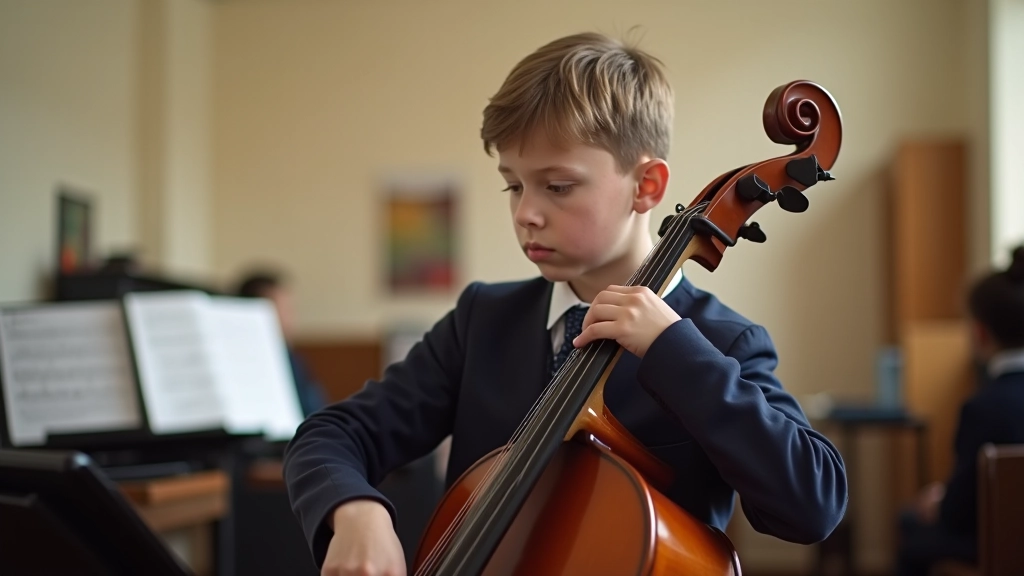
Quality matters more than quantity. A school with a thriving music program, strong sports, and genuine arts provision (not just added on) usually has healthy school culture overall.
Support Systems
What happens when a student struggles? Is there actual support or just punishment? How do they handle anxiety, friendship issues, academic difficulty?
What to Actually Look for During a School Visit
Open days are controlled environments. You'll see the best version of the school. That's useful, but it's not everything. When you visit, watch for things the school isn't specifically showing you.
How are students moving between lessons? Are they relaxed or stressed? Do they seem to know staff? Listen to the language staff use when talking about students — is it respectful or dismissive? Peek into classrooms that aren't part of the tour. What's the actual noise level? The actual engagement level?
Talk to current parents if you can — not the ones in the official tour, but parents you meet naturally. Ask them honestly what surprised them about the school, what they'd change, whether their child's happy. You'll get a different picture.
And take your child if you can. They'll pick up on the vibe in a way that matters. Sometimes a child will just feel "at home" in a school, even if it doesn't look perfect on paper.

Questions That Actually Predict Your Child's Success
Will your child thrive in the school's teaching style?
If they're creative and independent-minded, a highly structured school might stifle them. If they need clear structure, a looser environment might overwhelm them.
Is there genuine pastoral support or just crisis management?
Schools that excel at pastoral care catch problems early. Schools that don't, only respond when things are already serious.
Will they actually feel like an individual there?
This matters more than you'd think. Your child won't engage if they feel like just a number. Schools where teachers know students by name and actually care about them get better outcomes across the board.
Are there people there who'll challenge them in the right way?
Not in a harsh way. In a way that pushes them toward growth without crushing their confidence. The best teachers do this. Do they have enough of them?
The Bottom Line
Your child will be fine at most schools. Seriously. The difference between a good school and a great school often isn't in the exam results — it's in whether your child feels supported, challenged, and genuinely known.
You're not looking for the school with the best league table position. You're looking for the school where your child will spend five years becoming more confident, more curious, and more themselves. That's what matters. That's what will actually shape their future.
"The best school is the one where your child wants to go. Where they have friends, where they feel known, where the adults actually care."
Take your time with this decision. Visit schools properly. Talk to people. Trust your instincts. And remember — your involvement matters as much as the school's quality. That won't change, no matter which secondary they choose.
Important Note
This article provides general educational guidance based on common factors parents consider when choosing secondary schools. Every child and family situation is unique. Your specific circumstances — location, your child's individual needs, available schools, and personal values — should guide your decision. Consider consulting with your child's current school, local education authorities, and visiting schools in person before making a final choice.
Related Articles